



Between AI Fatigue and Acceptance:

The Rise of AI as a “Digital Co‑Worker”

Share this article:

For much of the past decade, artificial intelligence existed at the margins of enterprise technology. It appeared as isolated features in business software, experimental pilots, or narrowly scoped automation initiatives that promised transformation but rarely delivered it.

Today, AI is no longer something occasionally experimented with. It is becoming something organizations actively work alongside. This shift marks a turning point in the digital trends of modern enterprises: AI is moving from a simple tool that supports work to something like a teammate that participates in it.

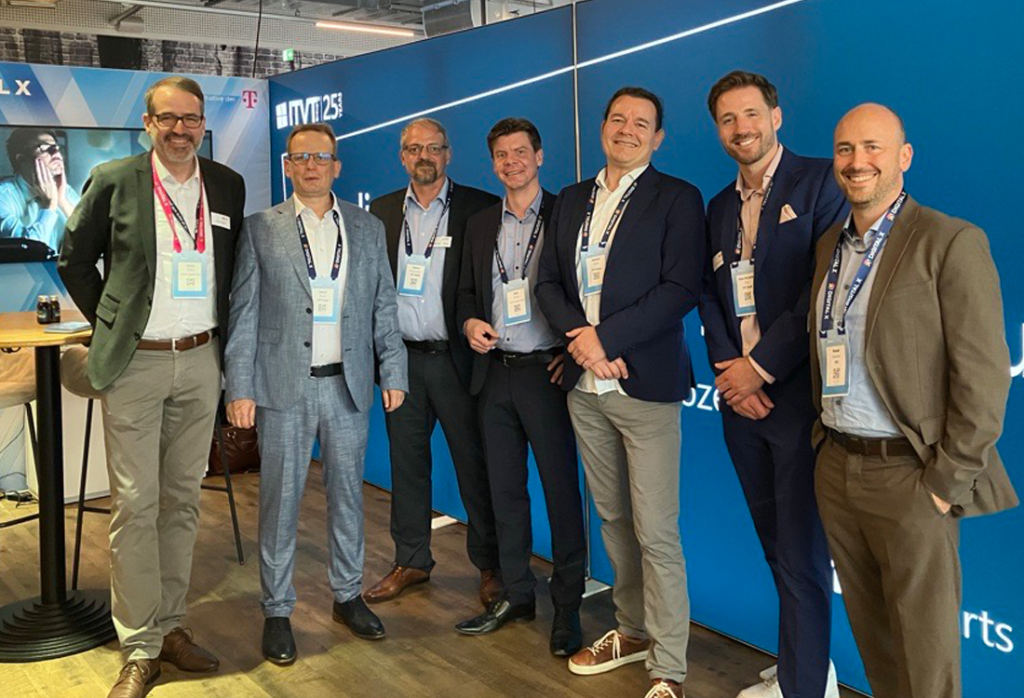
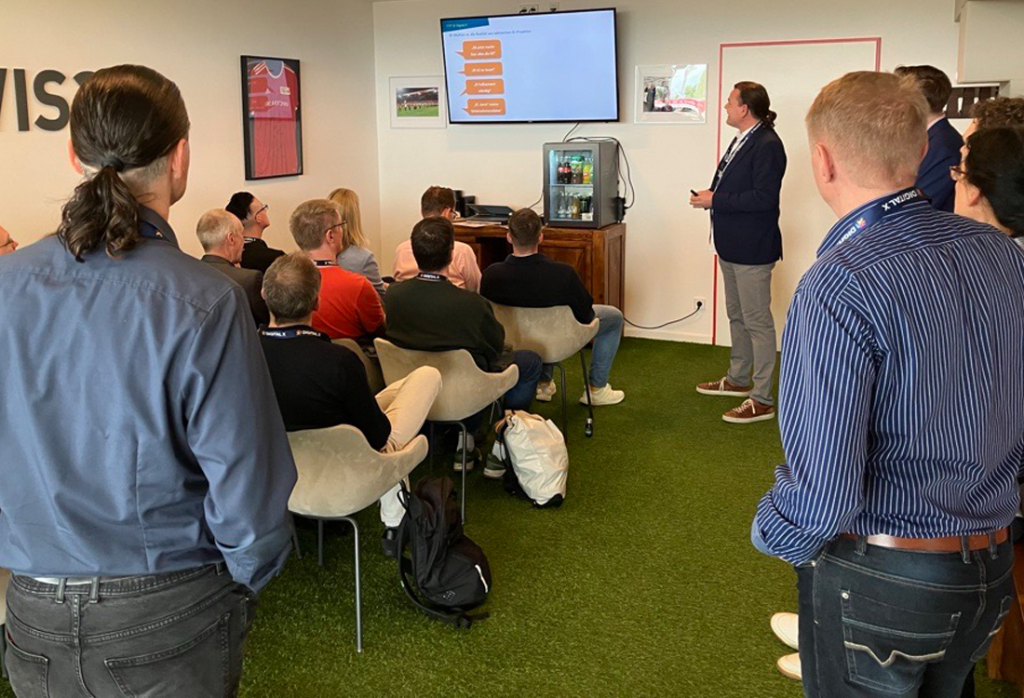
And this is where the true value of AI really comes into play. After all, in theory, AI could certainly take us to Mars—anything seems possible. But first, we should focus on finding solutions to everyday problems here on Earth. And that was also the message at Digital X in Berlin—both at the IT Vision Technology booth and during the masterclass.

From isolated features to integrated operating models

Early enterprise AI focused on narrow use cases—chatbots, isolated predictions, or basic automation—which delivered incremental value but rarely changed how work was done. What sets today’s AI apart is the rise of agentic and generative systems that can reason across tasks, execute multistep workflows, and adapt over time.

Rather than sitting alongside business processes, today’s AI is now integrated directly into operating models—supporting finance, supply chains, sales, and decision-making, all end to end. For SMEs in particular, this shift moves AI from fragmented experimentation and experience to a viable and scalable operational solution that reduces manual dependency and enables confident growth.

Where AI is creating real operational impact

Across industries, AI is already integrated in everyday work—supporting customer service, finance, supply chains, marketing, and executive decision‑making, and more. Intelligent agents resolve cases end to end, forecasting and risk models improve accuracy and speed, predictive insights optimize operations in real time, and AI‑driven recommendations support sales and pricing decisions. What distinguishes leading organizations is not just where AI is used, but how deeply it is integrated into daily workflows.

For SMEs however, this adoption collides with real operational constraints. Fragmented customer data, manual finance processes, disconnected legacy systems, and rising compliance demands continue to slow progress. At the same time, concerns around data sovereignty are intensifying. Businesses want the efficiency and intelligence of AI—without relinquishing control over their most critical data.

This combination is accelerating the shift toward centralized, AI integrated, enterprise‑grade platforms.

AI adoption is gaining momentum not because of hype, but because the conditions are right. The technology has matured, economic pressure is forcing productivity gains without headcount growth, and leadership expectations have shifted toward measurable outcomes.

When AI is integrated directly into ERP and CRM systems, it delivers tangible value—reducing administrative overhead, improving forecasting and risk detection, and enabling enterprise‑level control without enterprise‑level complexity. In governed environments, AI moves from perceived risk to long‑term strategic asset.

What distinguishes leading organizations is not just where AI is used, but how deeply it is integrated into daily workflows.

Humans and AI: Redefining the Workforce Model

With this shift, the most visible impact driven by AI is not in the operational chart, but the organizational chart. Rather than replacing roles, leading companies are redesigning work around human–AI collaboration. In this model, AI takes over repetitive and data‑intensive tasks, while people focus on judgment, creativity, relationships, and strategic oversight.

As AI agents become part of everyday roles, organizations face a new challenge: redesigning workflows, not simply deploying technology.

Those that treat AI as an add‑on often struggle to realize value. Those that rethink processes with collaboration, governance, and explainability in mind are better positioned for sustainable impact.

Likely, in the next years of AI adoption, human–AI collaboration will become the default operating model, and trust, transparency, and oversight over AI work become as critical as basic computer literacy.

The Digital Pulse for Decision‑Makers

AI’s role in business is no longer abstract. It is operational, measurable, and increasingly embedded in how organizations function. The digital and operational heartbeat of modern enterprises is and will be defined by collaboration between people and intelligent systems—enabling faster decisions, smarter responses, and greater resilience across the business.

For business leaders and C-Suites, the implication is clear. AI is no longer just another technology to assess; it is becoming foundational to how organizations operate, scale, and compete.

The key question is no longer whether to use AI, but how to embed it into core processes without losing control, trust, or strategic focus. That is the digital heartbeat businesses are shaping today—and the conversation Digital X Ost is designed to move forward.

AI that delivers. Business processes that run on their own.

At Digital X Ost in Berlin, we didn’t just discuss this topic with many visitors. We also provided concrete answers—with real-world examples from small and medium-sized businesses that have already integrated AI into their sales, finance, and operations.

Under the motto “AI that delivers. Business processes that run on their own,” visitors could experience both at our booth and in our masterclass how companies use Microsoft Dynamics 365 CRM and ERP applications to accelerate processes, increase transparency, and shorten decision-making paths.

The basis of our discussions was always a clear understanding of where our conversation partners stand. The ITVT maturity models are the perfect starting point for any company. Because they meet each company exactly where it stands with its business processes—whether on Mars or on Earth.

Would you also like to find out if your journey begins on Earth and when you’ll make it to the moon? Then download our maturity models at

Privacy Overview
ITVT Group

This website uses cookies so that we can provide you with the best user experience possible. Cookie information is stored in your browser and performs functions such as recognising you when you return to our website and helping our team to understand which sections of the website you find most interesting and useful.

Strictly Necessary Cookies

Strictly Necessary Cookie should be enabled at all times so that we can save your preferences for cookie settings.